
The Dr. Khalsa believes that it is possible to defy the mental aging
process. People in their 40s, 50s and 60s can have not only a perfect memory
but also brain power.
but what it is the brain?
The brain is a dynamic organ.
Individuals who get older can retain their youthful minds so that their
learning ability, creativity and emotional vigor remain intact. They are able to
sustain the mental dexterity and sharpness they need as they reach their 70s and
80s.
when the brain start aging?
When all of a sudden people start loosing their “endocrinological spark” as their youth hormones dry
up and sexual urges are flattening out. They’re gaining weight, losing muscle
and hair, and needing more and stronger coffee just to slog through the day -Dr Khalsa said.
Brain plasticity.
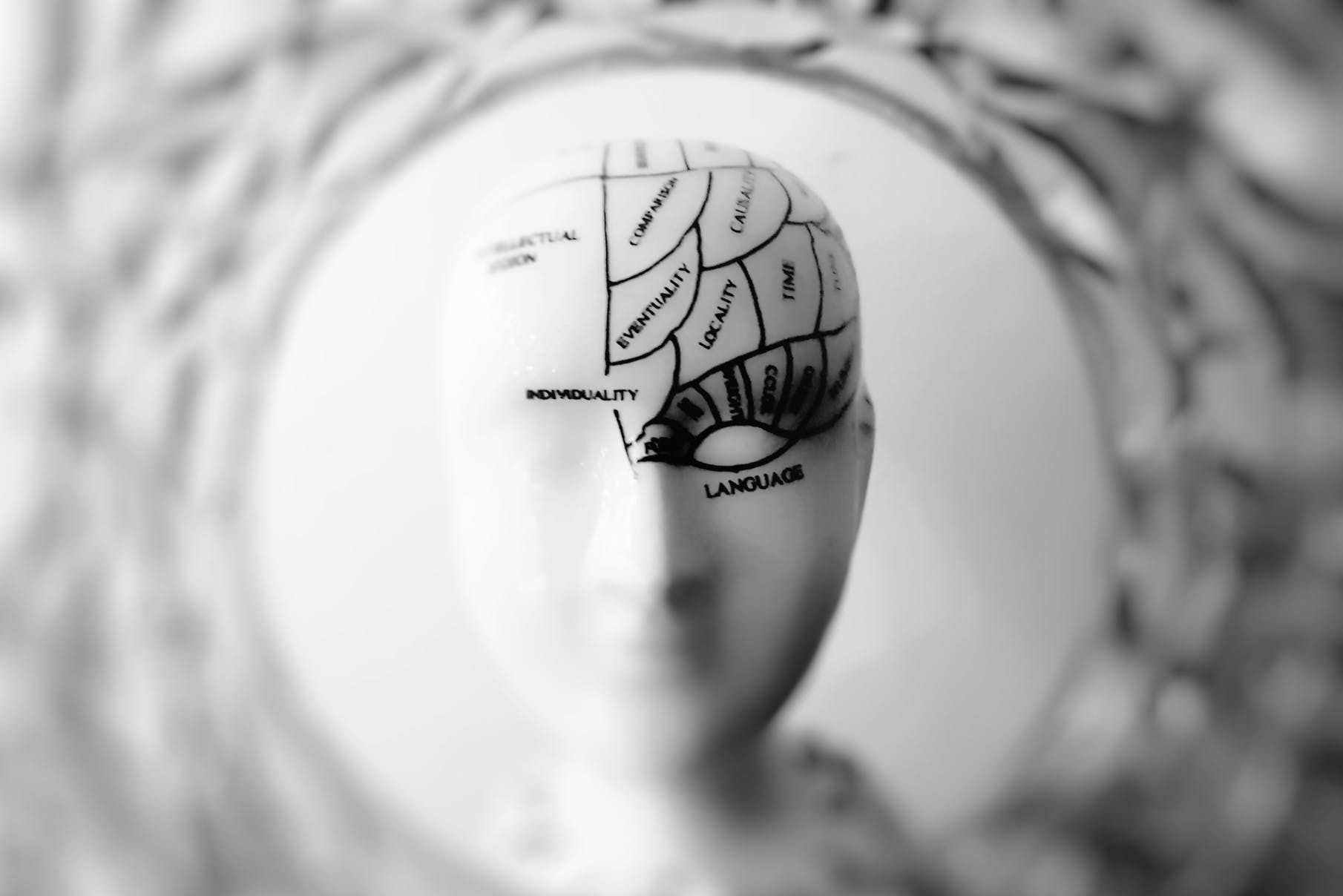
How does a spelling bee champion remember the sequence of letters in a word?
One incontestable fact we must accept: the brain is the most complex
part of the human body.some brains are more complex than others; this is why we have individuals who are more complicated than others and hence difficult to understand.
The brain weighs only three pounds but this lightweight mass holds our
intelligence, puts some sense to all five senses, sets our bodies in motion and
directs our behavior. Taking all the brains of our fellow human beings and
putting them together would enable us to define civilization and encapsulate the
story of humanity.
The thinking that brain health declines with age is a misleading belief and closes the door to exciting opportunities and research about age and the brain. If you read the web sites of the American Society of Aging and the American Association of Retired Persons, there exists overwhelming evidence that older individuals can have as much brain power as teenagers.
how?
A so called “renewing” mechanism was discovered in
mature brains; this renewing mechanism creates neurons that travel towards the
cerebral cortex and become a part of the brain’s processing system.
When a fetus is formed, the brain begins to develop at just three weeks
old. This pattern of growing, developing, expanding and adapting continues
throughout its lifetime. Over 100 billion neurons are formed in a baby. In the
next three years of the baby’s life, these neurons will develop trillions of “synaptic connections.” With the passage of time, those synapses that are exposed to constant stimulation become stronger and spread
out, while those that are seldom used are discarded. Scientists have a name for this period of adaptive growth: “plasticity.”
In the early 20 century, it was integrated into cognitive psychology. Today, memory now properly belongs to a branch of science that combines cognitive psychology and neuroscience. Thus, it is now under the realm of cognitive neuroscience.
Memory duration: a deep look.

Memory by duration, we have three types: Sensory memory, Short-term memory, and Long-term memory
It’s a pity that our memories don’t act the same way as computers.however, while it may not be able to spew out chunks of data in minutes, the human mind has been responsible for how humanity and civilization evolved.
Feeding knowledge
how to contrast the brain aging process,then?
Learning.
Researchers says that individuals learn in three ways: looking, listening and doing. There are individuals who rely mostly on sight, others on their sense of hearing and still others who learn by doing. Certain measurements exist to gauge one’s most predominant learning style.
you need to find just yours, and develope it!
see u soon,
sal
 mybespokes.com